Anakh Sawhney | Student, Community Leader, Researcher, and Author
Exploring the intersection of Economics, Social Equity, Healthcare, and Tech/AI through academic research and service.
 Cameron Impact Scholar Finalist
 The Diana Award (International Humanitarian Honor)
 Gloria Barron Prize for Young Heroes (National Recipient)
 NJBIZ Forty Under 40 Honoree
 United States Senate Youth Program Nominee
 Top 100 Indian Americans Recognition
 The NJ Governor’s Volunteerism Awards
 Somerset Hills BOE Certificate of Honor
 Bernards High School Everyday Hero Award
 NJ Legislature Official Legislative Resolution
Academic Research in Economics, Healthcare & AI
Peer-reviewed research and executive case development addressing supply chain logistics, drug pricing models, and urban healthcare delivery.
Halveryn BioSystems: Securing Pharmaceutical Cold Chain Logistics with AI
Business case and teaching note providing a framework for students to lead AI-driven transformation, taking pharma cold-chain logistics as a core business process, critical in ensuring right patients get the right medications at the right time.
Decoding the Hype of TrumpRx with DTC Distribution: Is Life Science’s Commercial Model Ready for the Change?
Developed a structural framework evaluating Direct-to-Consumer pharma models to test if federal initiatives genuinely improve patient access, and do pharma companies need to adopt DTC outside of GLP-1s.
Tech-Enabled Distributed Healthcare for Rapidly Urbanizing Cities
Investigating Tech and AI-enabled distributed healthcare models as the only viable solution to resolve healthcare inequities and ensure 100% population coverage in rapidly urbanizing cities across the Global South.
Financial Literacy Author & AI Thought Leadership
Fostering economic empowerment for youth and preserving human relevance in the AI era
Mia's $100 Project: Teaching Financial Literacy Through Fiction
Middle-grade novel illustrating budgeting, compound growth, opportunity cost, and ethical entrepreneurship through an inspiring narrative of grit and friendship.
The Humanist AI: Preserving Human Agency in the Machine Age
A digital publication synthesizing research, news, and insights to help corporate leaders understand the shifting value of human capital and how to align it with the power of artificial intelligence.
Summer Internships/Programs & Club Leadership
Enterprise biopharma experience, legal research, and student organization stewardship.
Professional Internships
School & Community Leadership
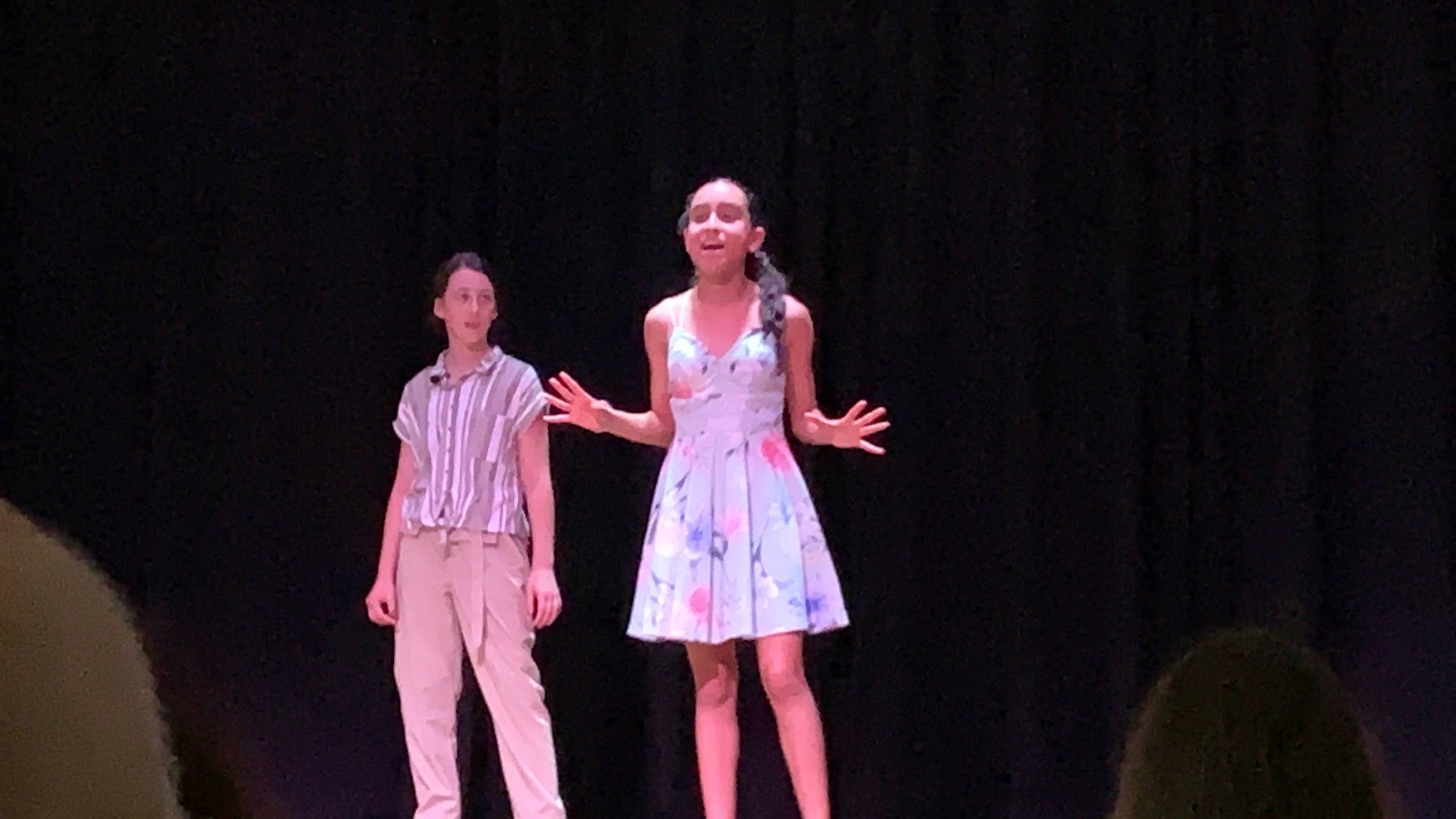
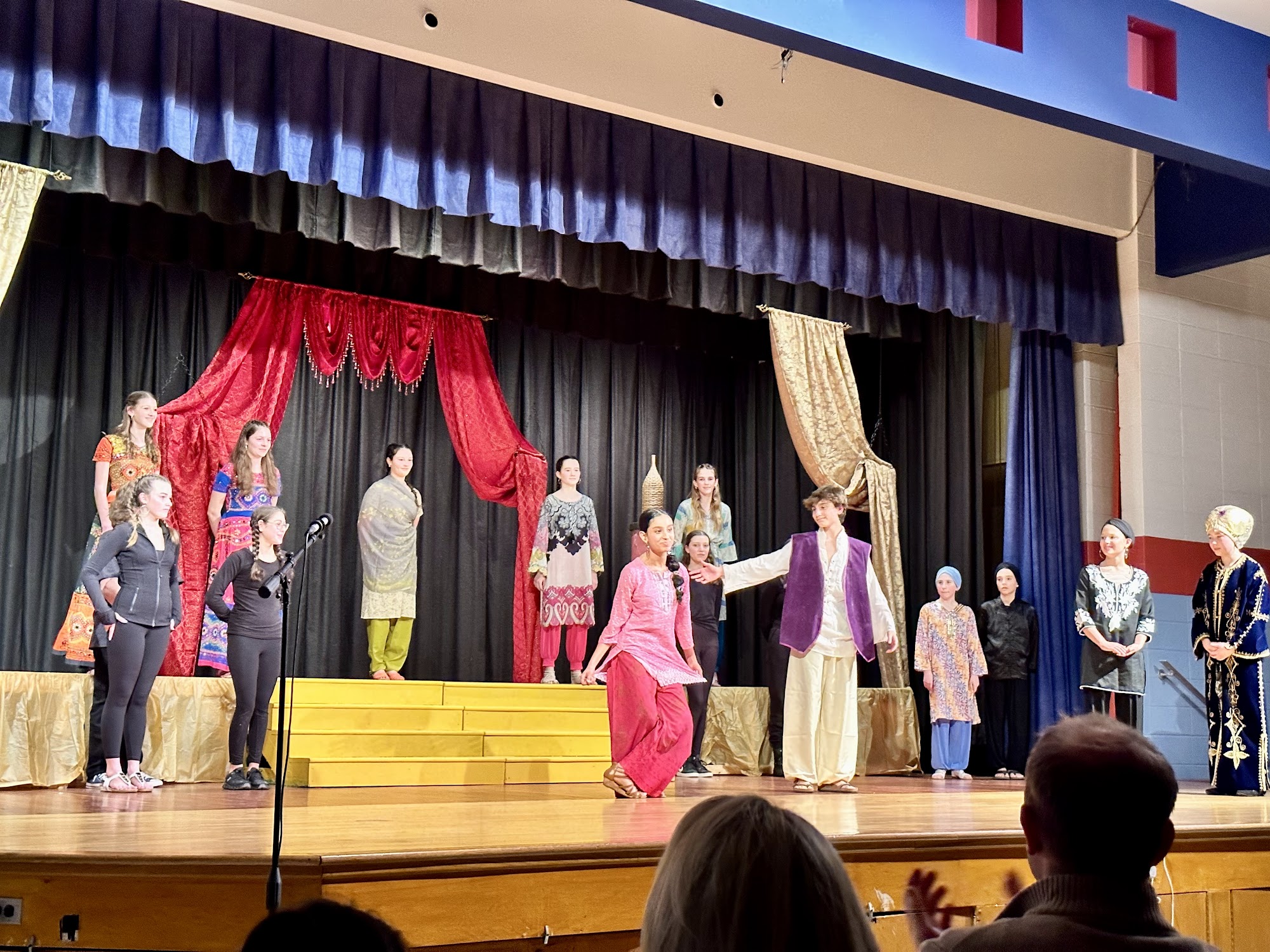
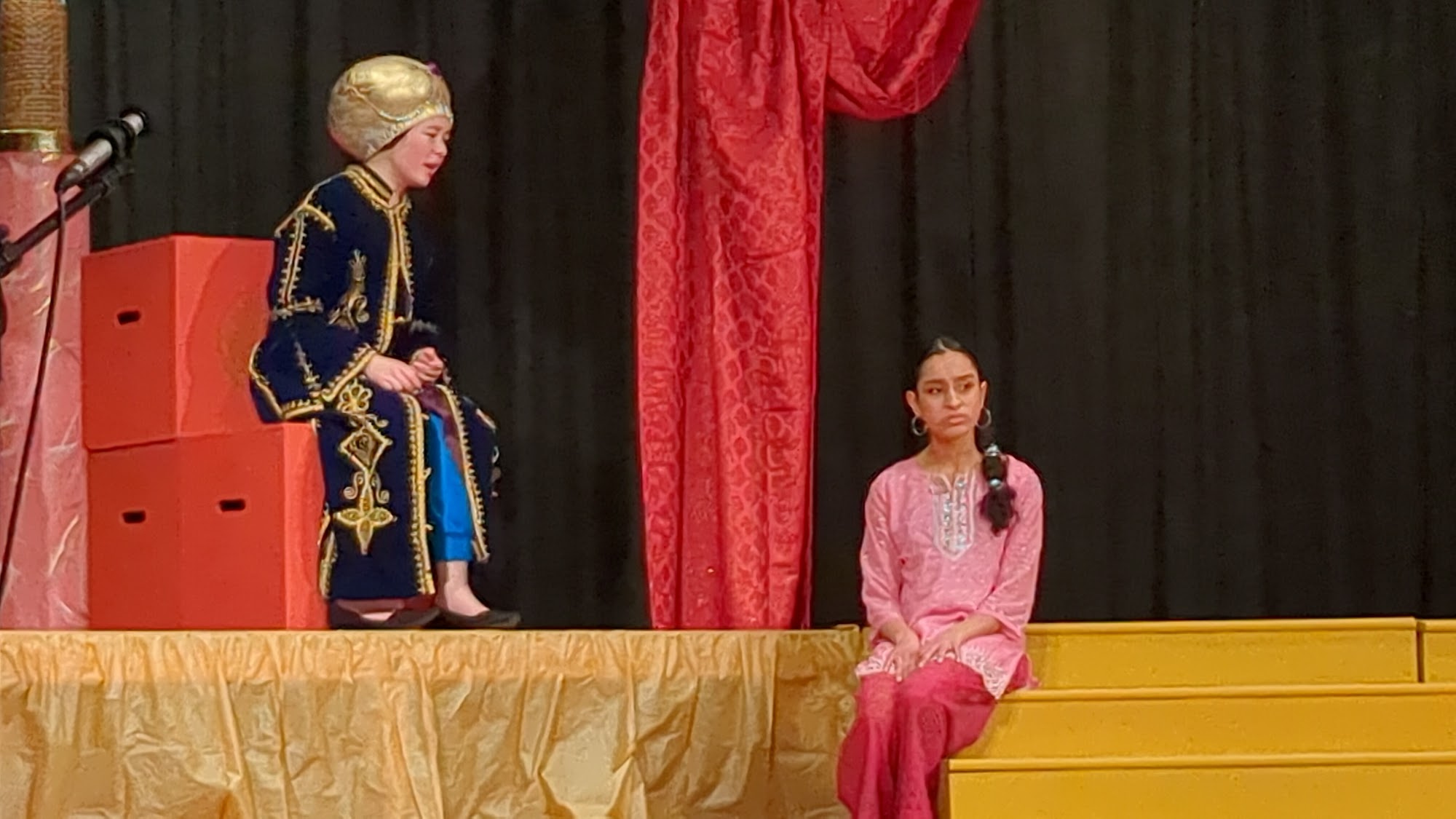
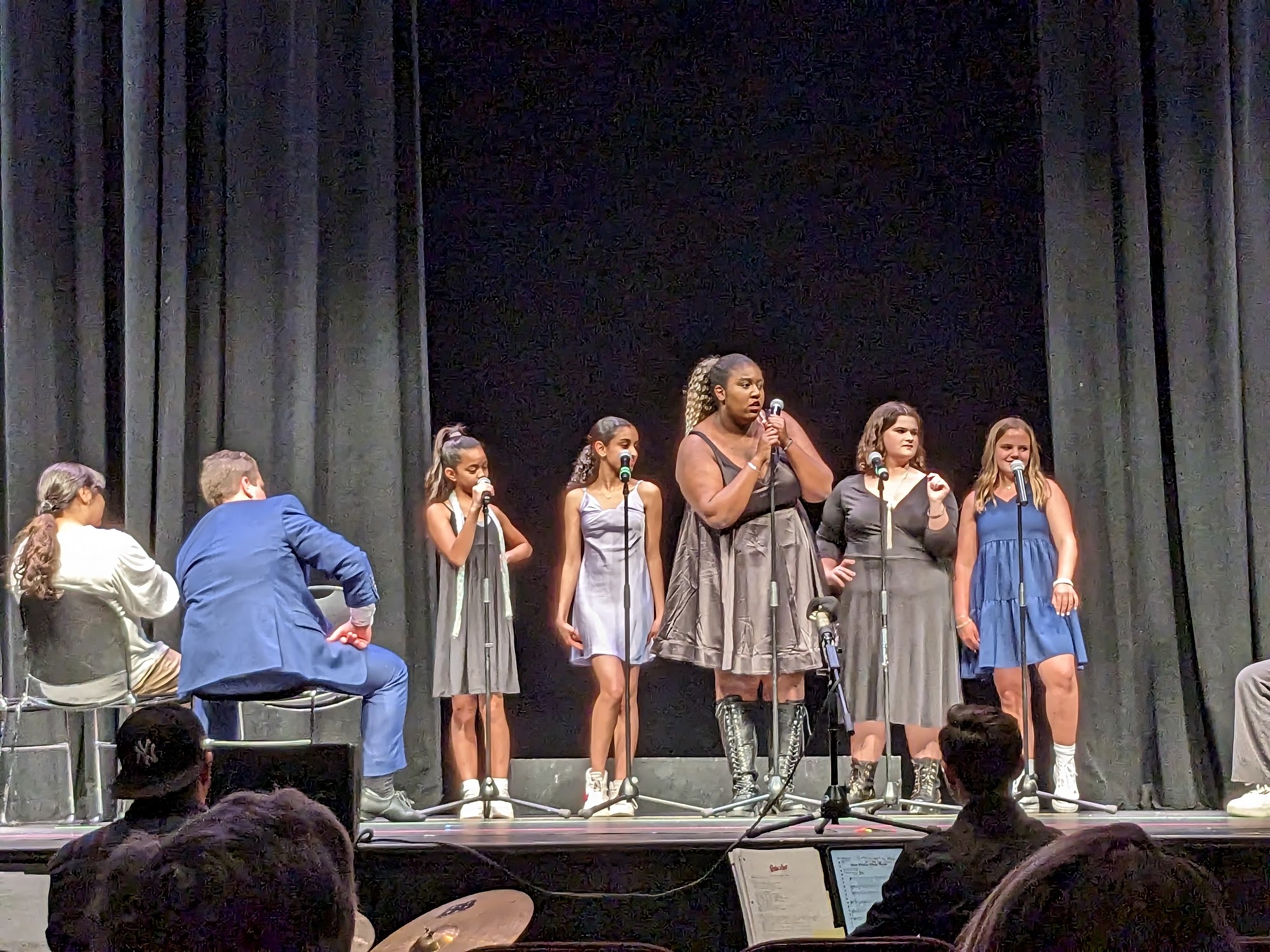
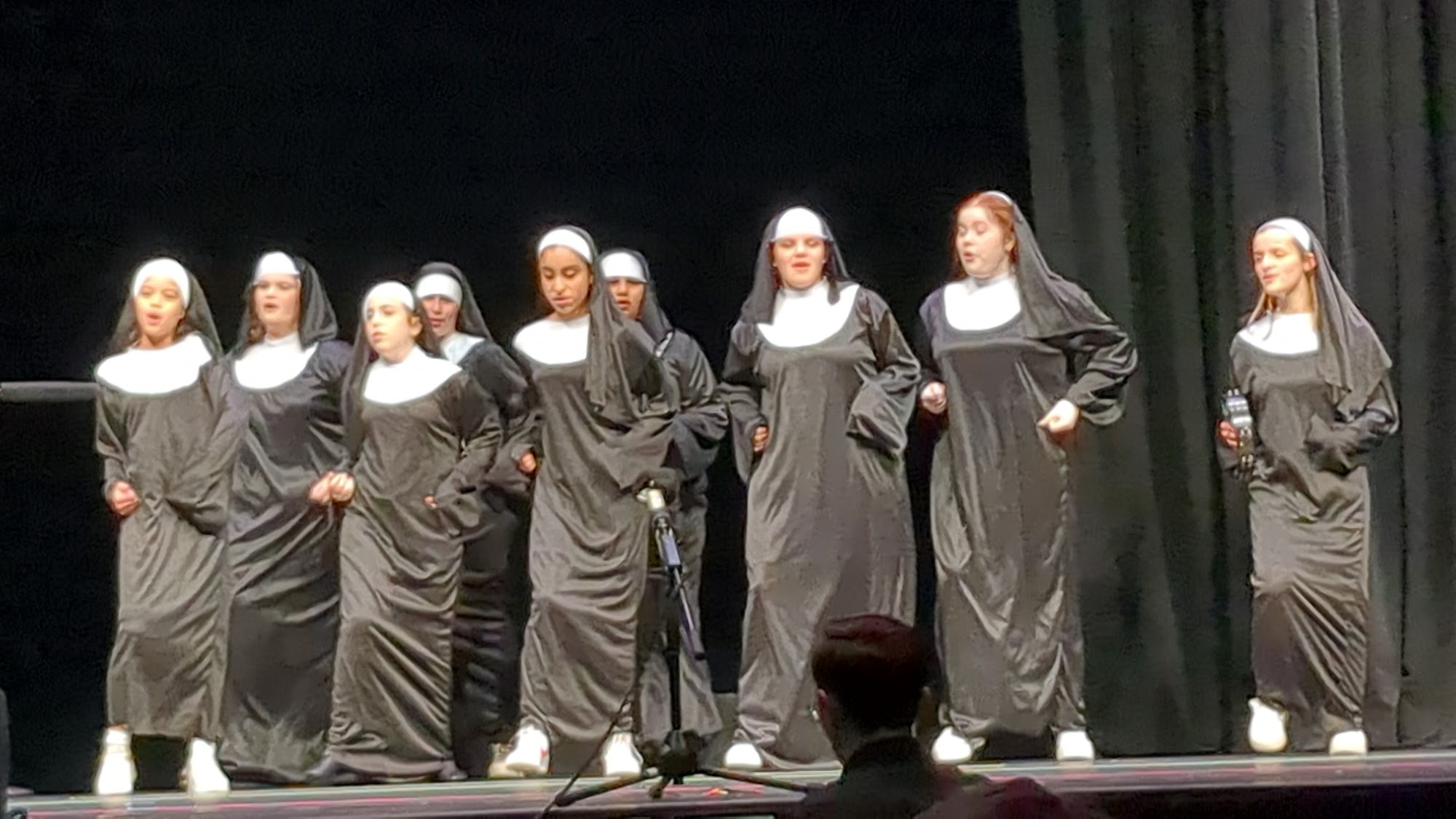
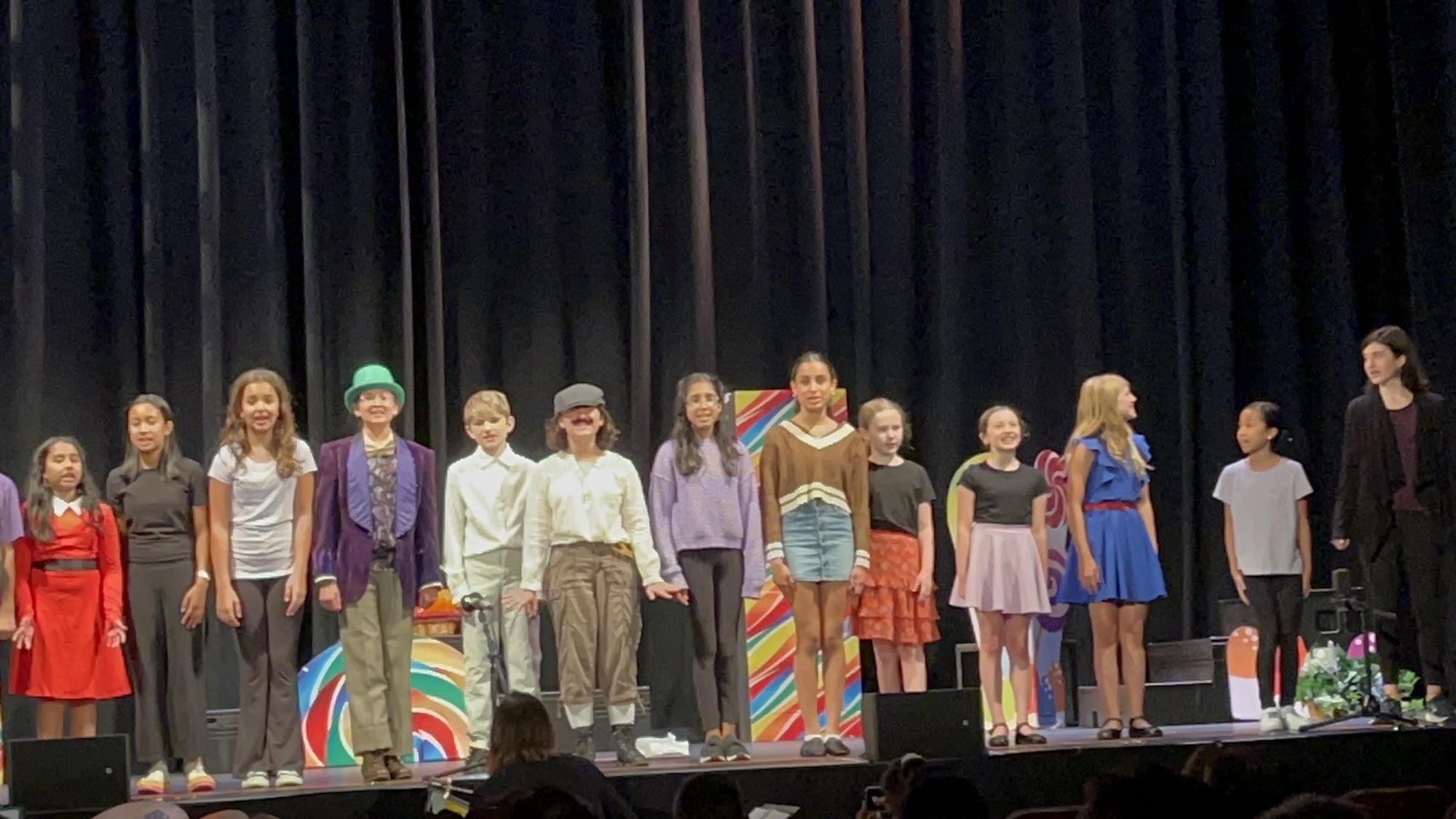
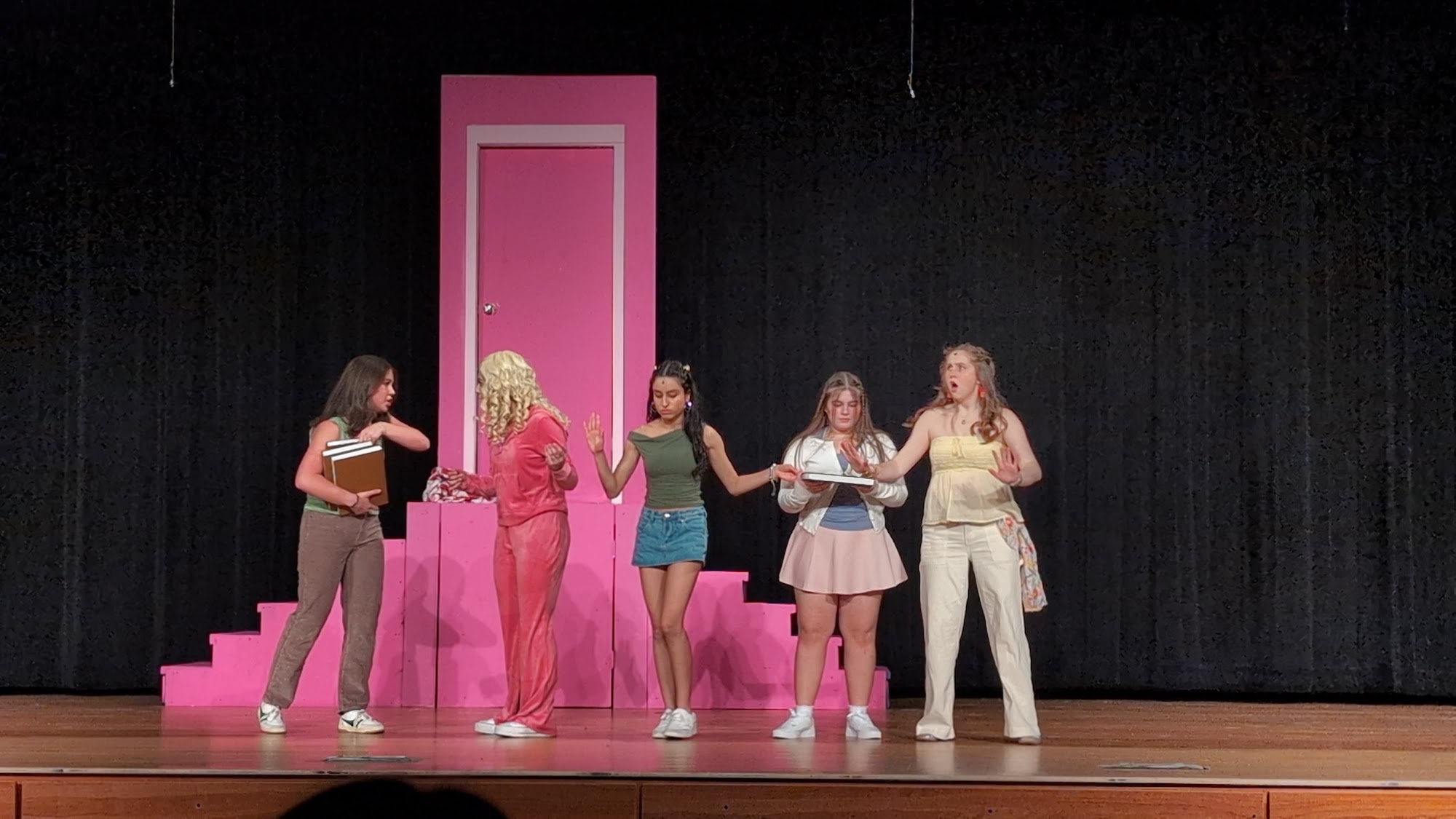
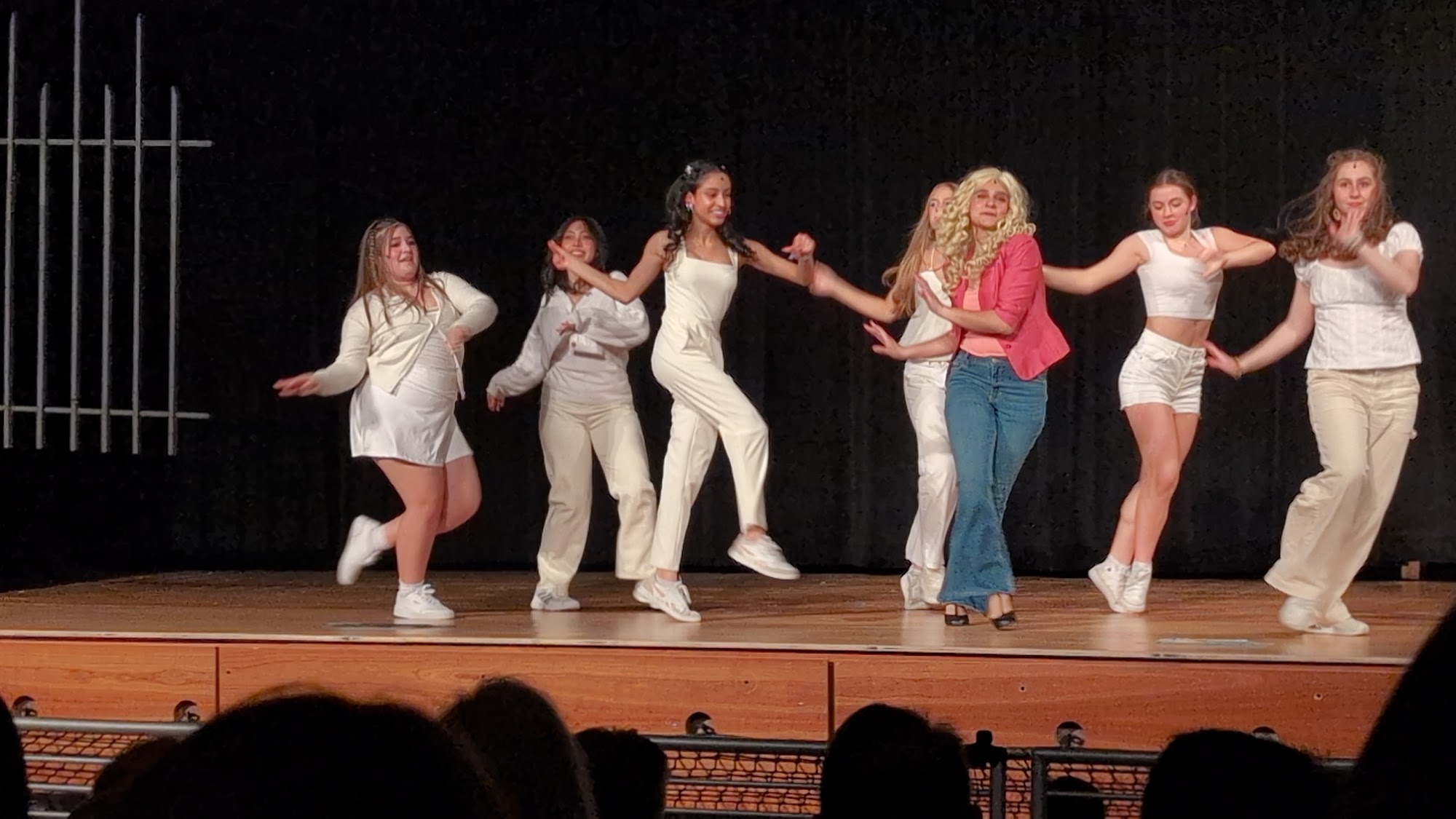
Theater & Performing Arts
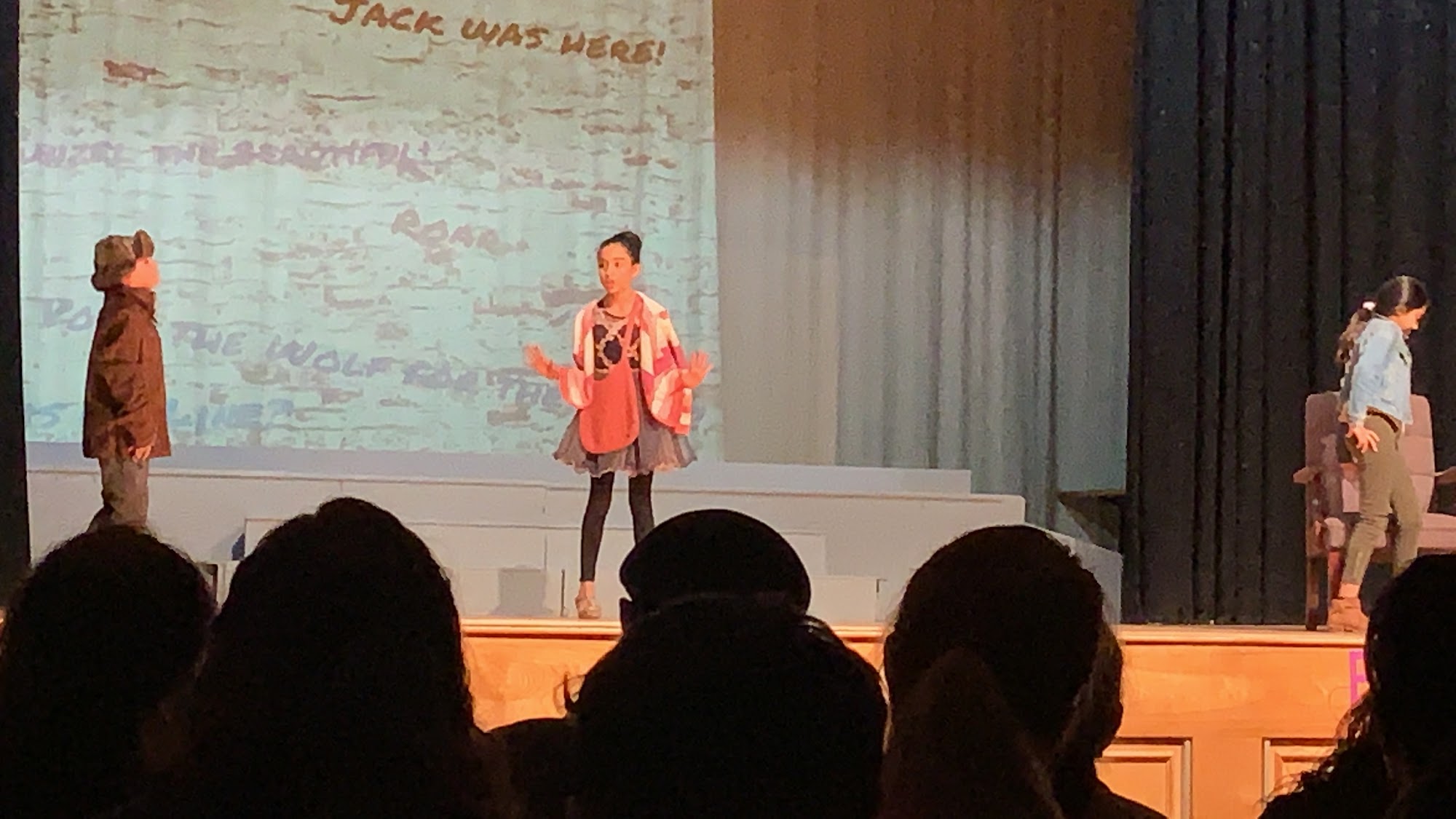
Seven years of dedicated stage experience across middle school, high school, and community theater, performing in diverse plays and musicals.
Honors & Recognitions
Cameron Impact Scholar Finalist
Selected as the finalist for this four-year, full-tuition award - winners declared in December
Gloria Barron Prize for Young Heroes
National award celebrating inspiring public service leaders.
United States Senate Youth Program
Solo school nominee for this program to experience national government in action and receive scholarship.
Bernards High School Everyday Hero Award
High school distinction for community character and impact.
Get in Touch
Open to academic inquiries, research collaborations, speaking, and non-profit partnerships.
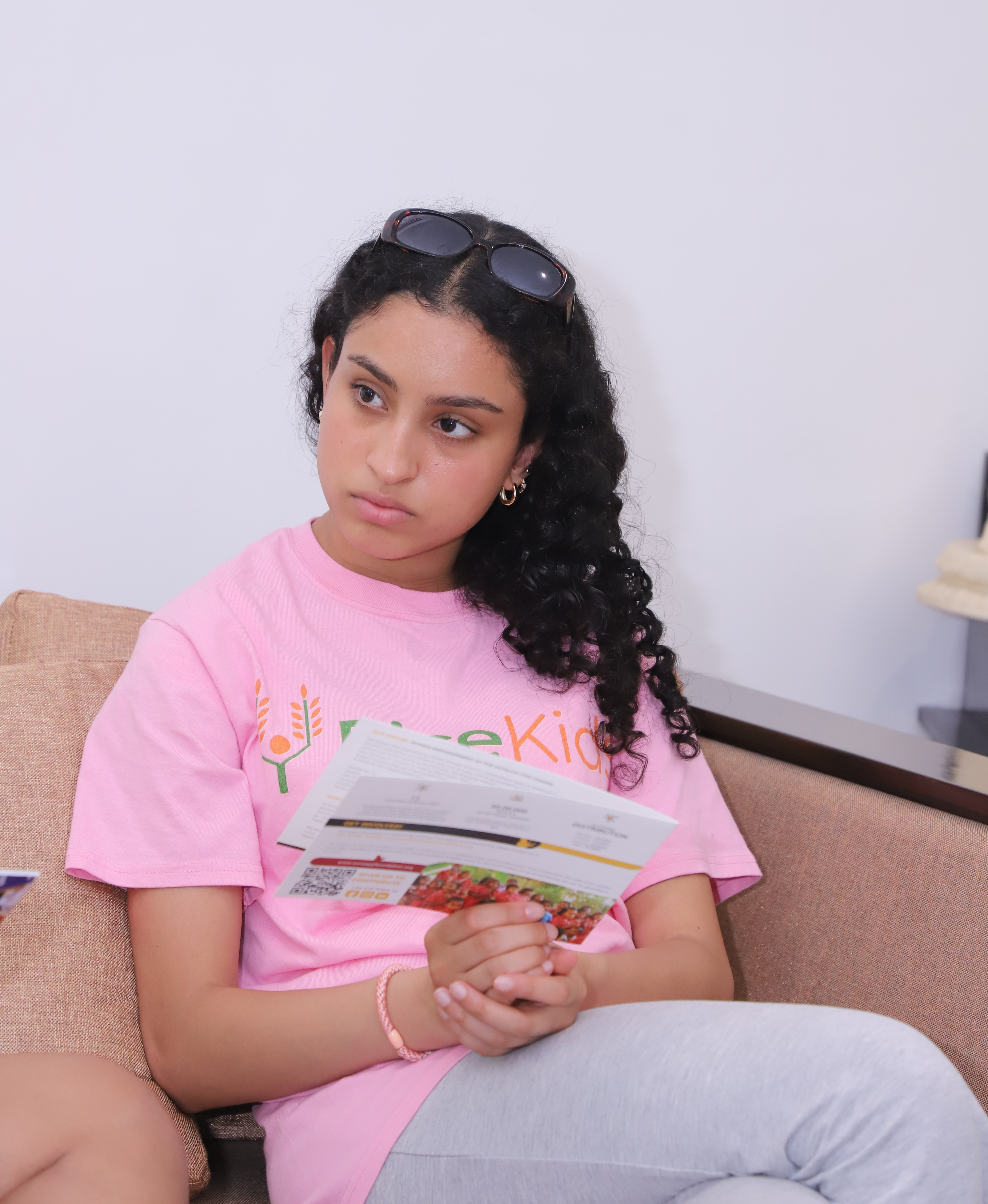
Rice Kids (501(c)(3))
A Global Non-Profit Eradicating the Root Causes of Child Poverty Through Education and Holistic Support
Poverty cannot be solved through a single intervention. Rice Kids was built on the core principle that keeping a child in school requires eliminating interconnected barriers: educational resource deficits, chronic malnutrition, unaddressed pediatric health issues, and unstable family circumstances. By addressing the entire ecosystem around the child, we unlock sustainable economic mobility.
The Four Core Pillars of Intervention
Educational Access & Kits
Providing complete scholastic materials, backpacks, textbooks, and digital learning tools to marginalized students.
Nutritional Security
Deploying community food packages and school-based lunch support to ensure no child attempts to learn while hungry.
Pediatric Health Support
Partnering with regional providers for hygiene kits, preventative medical checkups, and vision screenings.
Holistic Family Stability
Assisting vulnerable households with emergency relief and community support to keep children enrolled in school full-time.
Verified Quantitative Impact
Press & Media
Rice Kids' work has been recognized through news features, televised interviews, and formal state recognitions honoring the organization's community impact.
See the full story at ricekids.org
Programs, partner network, and ways to get involved.
Halveryn BioSystems: Securing the Pharmaceutical Cold Chain Logistics with AI
An MBA-Level Pedagogical Case Developed for the Kellogg School of Management
Biopharmaceutical products—including temperature-sensitive biologics, mRNA vaccines, and precision oncology therapies—rely on unbroken cold-chain logistics. A single failure in refrigeration during transit leads to catastrophic financial losses for life sciences firms and life-threatening treatment delays for patients. This case presents the operational dilemma of Halveryn BioSystems, evaluating the transition from legacy reactive logistics to an autonomous, AI-driven predictive supply network.
Core Pedagogical Objectives
AI Transformation in Supply Chain
Designing machine learning models that ingest real-time IoT temperature telemetry, traffic data, and ambient climate forecasting to dynamically re-route shipments.
The Patient-First Mandate
Quantifying the human impact of logistics failures, ensuring zero patients experience delayed critical therapy.
Commercial Decision Modeling
Teaching MBA students how to evaluate the capital expenditure (CapEx) of enterprise AI deployment against spoilage write-offs and SLA penalties.
Research Methodology & Executive Interviews
During the development of this case, extensive interviews were conducted with senior pharmaceutical supply chain executives and logistics leaders to validate operational friction points, pressure-test algorithmic models, and ensure real-world authenticity for graduate business instruction.
Case Application
Approved by Dr. Achal Bassamboo for integration into upcoming graduate business and executive education operations coursework.
Decoding the Hype of TrumpRx with DTC Distribution: Is the Life Sciences' Commercial Model Ready for the Change?
Peer-Reviewed Research on Direct-to-Consumer Pharmaceutical Models and Patient Accessibility
Recent federal initiatives and political proposals (such as TrumpRx) have placed Direct-to-Consumer (DTC) pharmaceutical distribution at the center of healthcare policy debates. Proponents argue that DTC distribution bypasses pharmacy benefit managers (PBMs) to dramatically lower out-of-pocket costs for patients. This paper presents a structured analytical framework evaluating whether pharmaceutical manufacturers possess the operational infrastructure, regulatory compliance, and commercial readiness required to execute DTC models—and whether DTC models truly deliver genuine drug access to underserved patient populations or merely shift commercial margins.
Key Analytical Findings
Infrastructure Gap
Most life-sciences commercial architectures are optimized for B2B wholesaler distribution and lack the cold-chain DTC fulfillment logistics needed for direct patient delivery.
True Patient Accessibility
While DTC models reduce gross-to-net pricing friction for certain high-cost branded therapies, they often fail to solve insurance adjudication barriers for low-income patients requiring continuous complex regimens.
The Hybrid Recommendation
The paper outlines a hybrid commercial model combining selective DTC channels with tech-enabled patient support programs (PSPs) to balance manufacturer margin stability with genuine patient access.
Read the Official Publication
Full text available via PMSA.org.
Tech-Enabled Distributed Healthcare as the Primary Solution for Rapidly Urbanizing Cities
Urban Economics and Public Health Equity in the Global South
Rapid urbanization in the Global South has overwhelmed traditional centralized hospital infrastructure, creating dense urban "healthcare deserts" where low-income populations face insurmountable travel and cost barriers for routine diagnostics and preventative care. This paper models an alternative healthcare architecture: decentralized, tech-enabled micro-clinics integrated via cloud diagnostic networks. By bringing low-cost diagnostic screening and telemedicine consultation to localized neighborhoods, cities can alleviate centralized hospital overload while achieving equitable health outcomes.
Three Strategic Frameworks
The Hub-and-Spoke Decentralization Model
Transitioning from centralized megahospitals to micro-diagnostic points operating within community centers, transit hubs, and schools.
Digital Triage & Point-of-Care Diagnostics
Utilizing connected rapid-testing devices and algorithmic triage to treat routine conditions locally while routing acute cases to specialized regional centers.
Economic Feasibility
Demonstrating that distributed micro-clinics yield a 40%+ reduction in per-patient municipal capital costs compared to physical hospital expansion.
Read the Full Journal Article
Published via Scholastica.
Mia's $100 Project
Teaching Financial Literacy and Economics to Middle Graders Through Inspiring Fiction
Financial literacy is rarely taught during the critical formative years when foundational habits take root. Mia's $100 Project was written to bridge this gap through a fictional story of grit, friendship, and entrepreneurship. The story follows Mia, a resourceful young girl who receives a $100 seed challenge. Instead of simply spending it, she navigates the complexities of launching a micro-business, learning the real-world weight of risk, budgeting, opportunity cost, and ethical decision-making.
Core Economic Principles Taught
Budgeting & Cash Flow
Understanding the difference between revenue, expenses, and net profit.
Opportunity Cost
Recognizing that choosing one expenditure means sacrificing alternative opportunities.
Compound Growth & Reinvestment
How saving and reinvesting capital creates long-term exponential security.
Ethical Entrepreneurship
Building businesses that respect customers and contribute positively to the community.
Accompanying Educational Curriculum
Designed with chapter-by-chapter discussion questions and classroom exercises for middle school economics and business clubs.
Order or learn more
Visit mias100project.com for retailers and curriculum resources.
The Humanist AI
Preserving Human Relevance, Agency, and Ethical Purpose in the Age of Artificial Intelligence
As artificial intelligence systems automate cognitive and operational tasks at enterprise scale, society faces a fundamental dilemma: how do we ensure human labor, dignity, and intellectual relevance are preserved rather than discarded? The Humanist AI is a digital publication and thought-leadership think tank established to investigate strategies for workforce evolution, executive governance, and human-AI synergy.
Core Editorial Focus Areas
Workforce Longevity & Upskilling
Moving beyond replacement rhetoric to explore how organizations can amplify human judgment and empathy alongside autonomous tools.
Executive AI Governance
Providing actionable frameworks for corporate leaders to audit algorithmic bias, ensure operational transparency, and maintain ethical boundaries.
Philosophical Humanism
Publishing essays and interdisciplinary dialogues exploring human creativity, critical thinking, and ethical decision-making in automated workflows.
Read the latest thinking
Articles, essays, and executive frameworks at thehumanistai.com.
Social Impact & Non-Profit Leadership
Eliminating systemic barriers to education, healthcare, and economic mobility.
Rice Kids: Eradicating Poverty via Holistic Educational Support
Founded in 2018 to solve root causes keeping children out of school, providing educational resources, nutrition, healthcare, and family stability. Mobilized 300+ global partners and thousands of volunteers.
Kaur and Singh Academy: Board Member & Youth Mentor
Serving on the non-profit board directing educational access, community leadership programs, and academic mentorship for youth.
Flutterflies — St. Baldrick's Foundation
President (Senior Year) and Head of Business Relations (Junior Year): led campaigns raising $30,000+ for pediatric cancer research.